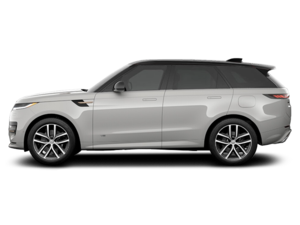

Range Rover Sport Plug-In Hybrid: How 85 Kilometres of NRCan-Rated Electric Range Changes the Montréal Commute
March 24 2026,
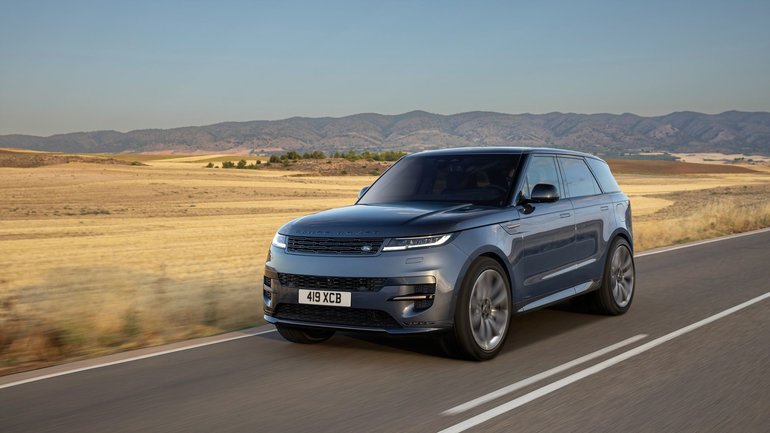
Montréal traffic demands patience. The Décarie Expressway, the Métropolitaine, and the Champlain Bridge corridor test every driver's resolve during rush hour. The Range Rover Sport plug-in hybrid offers a practical answer: two PHEV powertrain options — the P460e and the P550e — each built around a 3.0 L 6-cylinder Ingenium petrol engine, a 160 kW electric motor, and a 38.2 kWh battery (31.8 kWh usable). Both carry an NRCan-rated electric range of 85 km, enough to cover the daily round trip for a large number of Quebec commuters without burning a drop of fuel.
This is not a token electric mode bolted onto a luxury SUV. The Range Rover Sport PHEV can cruise at up to 140 km/h on electric power alone, accelerate from 0 to 50 km/h in just 3.5 seconds using only the electric motor, and recharge to 80 per cent in 40 minutes on a 50 kW DC rapid charger. For drivers who plug in at home overnight using a 7-kW wall box, a full charge takes about five hours — ready for the morning commute.
At a Glance: P460e vs. P550e
|
Specification |
P460e |
P550e |
|---|---|---|
|
Combined output |
460 hp |
550 hp |
|
Torque |
487 lb-ft |
590 lb-ft |
|
NRCan electric range |
85 km |
85 km |
|
0–100 km/h |
5.5 seconds |
4.9 seconds |
|
Top speed |
225 km/h |
242 km/h |
|
Battery capacity (total / usable) |
38.2 / 31.8 kWh |
38.2 / 31.8 kWh |
|
DC rapid charge (50 kW, to 80%) |
40 minutes |
40 minutes |
|
Home charge (7 kW, to 100%) |
5 hours |
5 hours |
|
Maximum towing |
3,000 kg |
3,000 kg |
How the Electric Range Works in Daily Montréal Driving
The 85 km NRCan rating gives a realistic picture of what Quebec drivers can expect in mixed conditions. A typical Montréal commute — say, from Laval to downtown via the A-15, or from the West Island to the Plateau — generally falls well within that range. Plug in overnight, and most weekday trips happen on electric power alone.
Based on real-world data from existing owners, Land Rover reports that Range Rover Sport PHEV drivers can complete around 75 per cent of their journeys using only electric power. The remaining 25 per cent is covered by the 3.0 L 6-cylinder Ingenium engine, which delivers strong performance even when battery charge is low. For longer drives — a Friday evening trip to Mont-Tremblant or a weekend on the South Shore — the combined powertrain provides a total driving range of up to 750 km in real-world conditions.
Smart Energy Management for Quebec Conditions

Three driving modes let you control how the powertrain uses its energy. Hybrid Mode is the default, using eHorizon navigation data to prioritize electric driving in built-up areas and automatically switching to EV mode for the final 6 km of urban journeys. EV Mode runs on electric power exclusively, ideal for quiet neighbourhood driving or downtown errands. Save Mode preserves battery charge for later use — helpful when you want to save electric range for a specific part of your route.
Predictive Energy Optimisation adds another layer of intelligence. The system works with the navigation and built-in geofencing to deploy electric power where it matters most along your planned route. It also learns regular routes through the Pivi Pro system, recognizing a daily commute and automatically selecting the most efficient propulsion method.
Brake Energy Recuperation captures energy during braking and deceleration, feeding it back into the battery. In Montréal's stop-and-go traffic, this feature works continuously, helping extend electric range beyond what highway driving alone would allow.
Performance That Matches the Efficiency
The P460e delivers 460 hp and 487 lb-ft of torque, reaching 100 km/h in 5.5 seconds. The P550e raises those figures to 550 hp and 590 lb-ft, completing the same sprint in 4.9 seconds. Both route power through an eight-speed automatic transmission and Intelligent All-Wheel Drive — a layout that keeps the Range Rover Sport confident in Quebec's rain-soaked spring roads and icy shoulder seasons.
Towing capacity for both PHEV variants is rated at 3,000 kg, with Advanced Tow Assist and Trailer Stability Assist available for boat launches and trailer manoeuvres at the cottage.
- P460e: 460 hp, 487 lb-ft, 5.5-second 0–100 km/h — strong daily performance with identical electric range
- P550e: 550 hp, 590 lb-ft, 4.9-second 0–100 km/h — higher output for drivers who prioritize spirited acceleration
- Shared: 85 km NRCan electric range, 38.2 kWh battery, 50 kW DC rapid charging, 3,000 kg towing
Which PHEV Is Right for You?
The P460e and P550e share the same battery, electric motor, and NRCan-rated range. The difference comes down to the engine tune and combined output. The P460e is well suited to drivers whose priority is efficient daily commuting with more than enough power for highway merges and weekend towing. The P550e is aimed at drivers who want the full performance envelope — faster acceleration, a higher top speed, and the added torque that makes passing on autoroute straightforward at any speed.
Both variants charge at the same rate, fit the same cabin, and ride on the same chassis. For most Montréal commuters, the P460e covers everyday needs with confidence. For those who value the stronger surge of the P550e on open roads north of the city, the upgrade is tangible.
Experience the Range Rover Sport PHEV at Decarie Land Rover
Book a test drive at Decarie Land Rover in Montréal to experience how the Range Rover Sport plug-in hybrid handles your daily route. Our team can walk you through both the P460e and P550e, help you understand charging options for your home setup, and match the right powertrain to your driving habits.