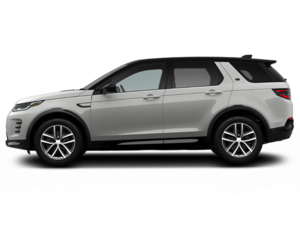

Discovery Sport Cargo Capacity: Montreal's Solution for Active Family Logistics
January 14 2026,
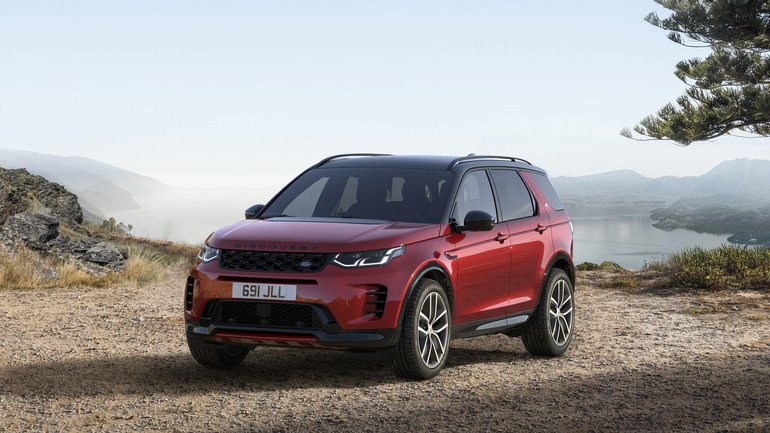
Montreal families managing multiple activities face specific cargo challenges throughout the year. Hockey equipment fills the back during winter months. Cottage weekends require camping gear, groceries, and sports equipment simultaneously. Urban errands demand flexibility to transport both passengers and purchases without compromise. The Discovery Sport addresses these varying needs through an adaptable cargo system that reconfigures between five-passenger and seven-passenger layouts.
The vehicle's cargo capacity shifts dramatically based on seating configuration. Understanding these variations helps Montreal families determine if the Discovery Sport matches their specific transportation patterns, from daily school runs to extended Laurentian cottage trips.
Base Cargo Specifications
The Discovery Sport delivers 1,179 litres of cargo space with five seats in use and the third row folded flat. This configuration accommodates weekend groceries for a family of four, multiple hockey bags, or ski equipment for a cottage trip to Mont-Tremblant. The cargo floor measures 967 mm in length behind the second row, providing sufficient depth for stacking boxes or luggage.
When all seven seats are deployed, cargo capacity drops to 157 litres. This volume fits three standard cabin suitcases or a single set of golf clubs. The measurement reflects the reality that maximum passenger capacity limits cargo flexibility. Montreal families transporting grandparents to Laurentian cottages accept reduced cargo volume as the trade-off for additional seating.
Folding both second and third rows creates 1,794 litres of maximum cargo volume. The cargo floor extends 1,824 mm from the tailgate to the back of the front seats. This configuration handles furniture transport, large retail purchases, or equipment for extended trips. The flat load floor eliminates cargo organization challenges created by seat brackets or storage compartments protruding into the load area.
Sliding Second-Row Functionality
The Discovery Sport's second row slides forward and backward by 160 mm. This adjustment allows families to optimize the balance between passenger legroom and cargo depth based on specific trip requirements. Sliding the second row forward maximizes cargo length for skis, lumber, or other extended items. Moving the seats rearward prioritizes passenger comfort for adults or teenagers on longer drives.
The 40:20:40 split-folding configuration provides additional flexibility. Folding only the center section creates a pass-through for long items like skis while maintaining seating for four passengers. This arrangement works for Montreal families heading to ski hills with equipment too long for the cargo area but insufficient to justify folding the entire second row.
The second row also reclines, though this feature reduces cargo volume when utilized. The reclining function serves passenger comfort rather than cargo management, making it more relevant for highway drives to Quebec City or Ontario than for cargo-intensive trips.
Third-Row Access and Storage Integration
The Discovery Sport positions the third row to accommodate adults up to 1.90 m tall, though extended trips in these seats prove less comfortable than second-row positions. The stadium seating arrangement provides adequate headroom (875 mm in the third row) but legroom measures only 665 mm, creating cramped conditions for adult passengers on drives longer than one hour.
Third-row occupants receive dedicated air vents mounted on the rear side panels, addressing ventilation that often challenges three-row vehicles. USB-C charging ports at each third-row position allow passengers to maintain device power during extended trips. These features make the third row more viable for teenager transport to Laurentian cottages or Montreal family gatherings than many competing compact seven-seaters.
Folding the third row requires lifting the seat cushions and folding the seatbacks forward. The process takes approximately 15 seconds per seat and does not require removing headrests or manipulating complex mechanisms. The folded seats rest flush with the cargo floor, eliminating the raised platform that reduces usable cargo depth in some competitor vehicles.
Cargo Floor Design and Load Management
The Discovery Sport's cargo floor features a flat surface with no intrusions from wheel wells or suspension components in the primary load area. The load height measures 798 mm from floor to ceiling, accommodating vertical cargo like potted plants, stacked boxes, or standing golf bags. The width between wheel arches measures 1,107 mm, accepting standard 1.22 m-wide plywood sheets when positioned diagonally.
The powered tailgate operates via key fob, interior button, or touchscreen command. The tailgate opens to 854 mm height and 1,150 mm width, providing clear access for loading awkward items like assembled bicycles or large appliances. The powered operation proves useful when hands are occupied with groceries or equipment, a common scenario for Montreal families managing multi-stop errands.
The cargo area includes tie-down points at each corner for securing loose items. The tie-down system uses D-ring anchors that accept standard cargo straps or bungee cords. This feature prevents cargo shift during highway driving or when navigating Montreal's pothole-damaged roads, protecting both cargo and interior panels from damage.
Roof Carrying Capacity
The Discovery Sport supports a maximum dynamic roof load of 75 kg when equipped with proper roof rails and crossbars. This capacity accommodates a standard roof box for ski equipment, kayaks, or a rooftop cargo carrier for extended camping trips. The roof load capacity applies to vehicle-in-motion conditions; stationary roof load limits differ but rarely affect typical consumer usage.
Installing roof-mounted cargo reduces fuel efficiency and increases wind noise at highway speeds. Montreal families using roof cargo regularly should consider these factors when planning long-distance trips to Gaspésie or Ontario, as the efficiency penalty compounds over extended distances.
The vehicle's overall height of 1,727 mm permits access to most Montreal parking structures when roof cargo is not installed. Adding roof boxes or carriers increases total height beyond standard parking structure clearances, requiring advance planning for downtown errands or underground parking access.
Interior Storage Solutions Beyond the Cargo Area

The Discovery Sport provides 41.8 litres of interior storage distributed across 14 separate compartments. This storage capacity supplements cargo area function by organizing smaller items that would otherwise roll loose in the main cargo space. The center console features a deep storage bin capable of holding four iPads or two 2-litre bottles, addressing the organizational needs of Montreal families managing multiple electronic devices and travel supplies.
Front door pockets accept 2-litre bottles and provide additional space for maps, sunglasses, or phone chargers. Second-row door pockets offer similar capacity. The glove compartment delivers standard storage volume for vehicle documents and small personal items. These distributed storage locations reduce dependence on the main cargo area for everyday items, preserving cargo volume for larger equipment or purchases.
The front seatbacks feature optional Click and Go tablet holders with integrated USB-C charging, creating entertainment stations for second-row passengers without consuming console or cargo space. This system benefits families on extended cottage trips where children require entertainment without interfering with cargo organization.
Comparative Cargo Analysis
The Discovery Sport's 1,179-litre five-seat cargo capacity falls mid-range among compact luxury three-row SUVs. The Acura MDX delivers 1,171 litres in comparable configuration, while the Volvo XC90 provides 1,102 litres. The BMW X5 offers 645 litres with five seats deployed, significantly less than the Discovery Sport despite its larger exterior dimensions and higher price point.
The 157-litre seven-seat cargo volume constrains the Discovery Sport for trips requiring both maximum passenger capacity and substantial cargo. The Mazda CX-90 provides 215 litres behind its third row, offering modestly more flexibility. However, the Discovery Sport's flat cargo floor when seats are folded provides organizational advantages that raw volume measurements don't capture.
Montreal families must evaluate whether the Discovery Sport's cargo specifications match their typical usage patterns. Families regularly transporting seven passengers while carrying substantial cargo might find the vehicle limiting. Families primarily using five-seat configuration with occasional seven-seat needs will find the cargo system accommodates most scenarios.
Seasonal Cargo Considerations for Quebec
Montreal's seasonal variations create distinct cargo requirements. Winter demands storage for outerwear, boots, ice scrapers, emergency supplies, and winter tires when not installed. The Discovery Sport's cargo volume accommodates this seasonal equipment without compromising passenger comfort when five seats are in use.
Summer cottage season requires transporting groceries, recreation equipment, beach supplies, and potentially pet supplies for extended weekends. The maximum 1,794-litre capacity with seats folded handles these requirements for families with older children who can manage without a vehicle while supplies are transported to the cottage in a single trip.
Spring and fall transitions involve moving seasonal equipment to and from storage. Winter tire changes, gardening supplies, and seasonal decoration transport all fall within the Discovery Sport's cargo capabilities when the second and third rows are folded.
Tailgate Design and Loading Ergonomics
The single-piece powered tailgate design differs from the two-piece split tailgates found on the full-size Discovery and Range Rover models. The single-piece approach maximizes cargo opening size but eliminates the option to open only the upper section when accessing items without fully exposing the cargo area.
The tailgate opens to a height of approximately 1.85 m when fully raised, requiring clearance that some residential garages cannot provide. Montreal homeowners with standard 2.13 m garage door openings can load the Discovery Sport inside the garage, but tight-clearance situations require measuring before assuming the tailgate will clear.
The cargo floor height measures 702 mm from the ground, creating a loading height that accommodates most users without step stools or excessive lifting. This height proves manageable for loading heavy items like cases of water or bags of soil, though elderly users or individuals with mobility limitations might prefer the lower loading height of wagon-style vehicles.
Visit Décarie Land Rover in Montreal to configure the Discovery Sport's seating and cargo arrangements firsthand and evaluate whether the flexibility matches your family's specific transportation requirements.