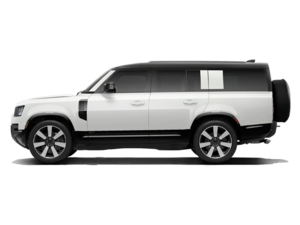

Defender 130 vs Defender 110: How the Extra Length Changes What You Can Carry and Who You Can Bring
May 09 2026,
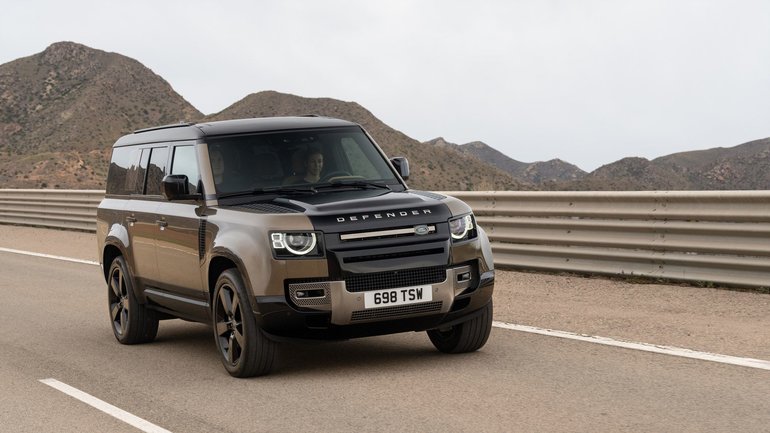
The Defender lineup covers a lot of ground — from the compact 90 to the high-performance OCTA. But for Montreal buyers choosing between the 110 and the 130, the decision comes down to a specific, practical question: how many people do you need to seat, and how much cargo do you need behind them? The two models share the same D7x aluminium monocoque architecture, the same 900 mm wading depth, and the same off-road DNA. Where they differ is in body length, seating capacity, and what you can load into the back.
This guide compares the Defender 110 and Defender 130 on the dimensions that matter most for multi-generational families, outdoor groups, and anyone in Quebec who regularly fills their vehicle with both passengers and gear. If you already know you need the Defender platform but are undecided on which body length to choose, the differences below should help clarify the decision.
At a Glance: Defender 110 vs Defender 130
|
Specification |
Defender 110 |
Defender 130 |
|---|---|---|
|
Maximum seating |
5+2 (seven) |
5+3 (eight adults) |
|
Cargo — behind third row (seats up) |
N/A (no permanent third row) |
Available with all rows in use |
|
Cargo — third row folded |
1,075 litres (behind second row) |
1,232 litres |
|
Cargo — second and third rows folded |
2,380 litres |
2,520 litres |
|
Towing capacity |
3,500 kg |
3,500 kg |
|
Maximum wading depth |
900 mm |
900 mm |
|
Captain's chairs (second row) |
Not available |
Available — heated and cooled with individual armrests |
|
Outbound variant |
Not available |
5 seats with 2,520 litres of dedicated cargo |
Seating: Five-Plus-Two vs a Full Eight
The Defender 110 is available with five, six (with the optional front centre "jump" seat), or 5+2 seating. The 5+2 configuration adds two third-row seats, but these are designed as occasional-use positions rather than full-time seating for adults. For a household of five or fewer passengers, the 110's layout is more than sufficient.
The Defender 130 seats up to eight adults across three full rows. The key difference is not just the additional seat — it is the treatment of the second and third rows as proper passenger space. The 130 offers optional captain's chairs in the second row: heated, cooled, with individual armrests, providing the kind of second-row comfort that long highway trips to the Laurentians or Charlevoix demand. Third-row passengers in the 130 benefit from additional legroom compared to the 110's 5+2 layout, plus their own cup holders, armrests, and USB-C charging ports.
For multi-generational families in Montreal — grandparents, parents, and children travelling together — the 130's eight-seat layout eliminates the need for a second vehicle on weekend trips or holiday drives to Quebec City.
- Defender 110: Best for households of five or fewer; 5+2 option available for occasional extra passengers
- Defender 130: Built for groups of six to eight; captain's chairs and third-row amenities make every seat a proper seat
- Both models: Optional front centre jump seat adds one additional position
Cargo Volume: Where the Extra Length Pays Off

Both the 110 and 130 are built to carry gear, but the 130's extended body translates directly into additional cargo space at every seating configuration.
With all rear seats folded, the Defender 110 provides 2,380 litres. The Defender 130 stretches that to 2,520 litres — an additional 140 litres. The difference is modest when both vehicles are fully folded, because the 130's added length is primarily devoted to a more spacious third row. Where the 130 pulls ahead decisively is when you need to carry passengers and cargo at the same time. The 110 with five passengers and no third row gives you 1,075 litres behind the second row. The 130 with six or eight passengers aboard still has usable cargo space behind the third row, and folding that third row opens up 1,232 litres while still seating five.
For a summer trip to a campground in the Eastern Townships — with two adults, three children, a cooler, tent bags, and bikes on the roof rack — the 130's ability to seat everyone and still load the back makes it the more capable choice.
The Outbound: A Defender 130 Built Around Cargo, Not Passengers
The Defender 130 Outbound flips the passenger-versus-cargo equation entirely. This variant seats five and dedicates the entire extended rear to a flat, expedition-ready cargo area with 2,520 litres of usable space. A distinctive robust panel conceals and protects the cargo area, and the layout is designed for overlanding — with enough room to rest, sleep, and organize gear for extended trips.
The Outbound does not exist in the 110 lineup. It is a configuration unique to the 130 and aimed at drivers who want the Defender's maximum body length without filling it with seats. For outdoor enthusiasts in Quebec who spend weeks at a time in the backcountry — or who carry large-format equipment such as kayaks, photography rigs, or ski gear — the Outbound offers a dedicated solution.
Off-Road Capability: Identical Foundations
Regardless of body length, both the 110 and 130 share the same core off-road architecture. The D7x aluminium monocoque is the stiffest body structure Land Rover has ever produced — three times stiffer than traditional body-on-frame designs. Both models offer Terrain Response 2, a maximum wading depth of 900 mm, electronic air suspension (on equipped models), Hill Descent Control, and a two-speed transfer case with low-range gearing.
Towing capacity is also identical at 3,500 kg for both models. For drivers who tow boats to Lake Memphrémagog or trailers to cottage country, the choice between 110 and 130 has no impact on towing performance.
- D7x architecture: Aluminium monocoque, three times stiffer than body-on-frame
- Wading depth: 900 mm on both models
- Towing capacity: 3,500 kg on both models
- Terrain Response 2: Standard across both lineups
Which Defender Fits Your Needs?
The Defender 110 is the right choice for drivers who prioritize a shorter overall footprint, typically travel with five or fewer passengers, and want the flexibility of the Defender platform without the extended body. Its 5+2 option handles occasional extra passengers without committing to a full three-row layout.
The Defender 130 is built for buyers who regularly carry six to eight people, need the Outbound's expedition-ready cargo space, or want the comfort of second-row captain's chairs for long-distance travel. Its additional length adds meaningful interior volume without changing the vehicle's off-road capability or towing capacity.
Experience Both at Decarie Land Rover
The best way to decide between the Defender 110 and Defender 130 is to sit in both — check the third-row legroom in the 130, fold the seats, and load the cargo area with your own gear in mind. Book your test drive today at Decarie Land Rover in Montreal to compare them side by side.